Environment
A Fresh Start for Conservation
The Trump Administration has given the environmental community an opportunity to become better listeners, reconnect with its core constituents, and tap into a little humility along the way.

The Trump Administration has given the environmental community an opportunity to become better listeners, reconnect with its core constituents, and tap into a little humility along the way.

The Energy Foundation used a two-pronged strategy of engaging policy makers and grassroots activists to sell green electricity.

Climate-change entrepreneurs need funding, but they also need the expertise, networking, and intellectual capital that incubators and foundations can provide.
A look at trends related to the economy and climate change, and three steps businesses and investors can take to move forward.

We protect nature. We learn from nature. But we are not collaborating with nature to solve the greatest challenges a human generation has ever faced.
In the context of a changing climate, how can we ensure that schoolchildren who live in rural areas are consistently able to attend school?
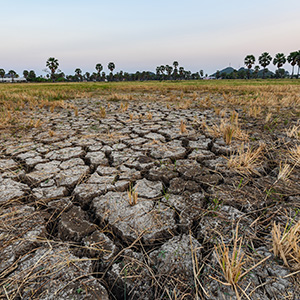
The time is ripe for companies to look beyond quarterly earnings and depreciation schedules, and into frameworks and strategies that will build long-term resilience.
Land restoration, clean energy, and sustainable agriculture offer better investment returns and more US jobs than oil, gas, and coal.
Impact investing strategies often focus on returns, but one family foundation’s sights are set on building human capacity, collaboration, and diversity in the field.
Proprietary data can help improve and save lives, but fully harnessing its potential will require a cultural transformation in the way companies, governments, and other organizations treat and act on data.